|
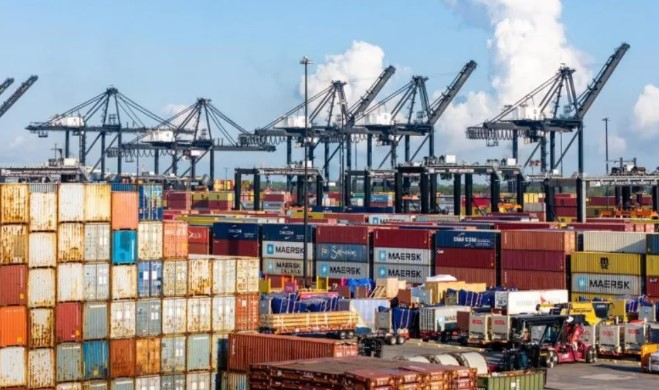
Congestion at Singapore and Colombo, two key transshipment hubs in Asia, is causing significant challenges for India's export market.
These delays are tightening feeder vessel availability, reducing the supply of containers, and leading to cargo hold-ups and uncertainty in vessel schedules. Indian exporters, heavily reliant on these hubs for global connections, are now facing disruptions that ripple through the entire transport chain.
Singapore and Colombo play a pivotal role in connecting Indian export cargo to global markets. A large portion of India's exports transits through these ports en route to Europe, North America, and other destinations. When congestion occurs, feeder services are the first to be impacted. Extended waiting times result in missed mainline connections, rebooking requirements, and delivery delays, creating inefficiencies across the transport chain.
The current market strain is marked by a dual shortage of feeder capacity and container availability. Delays at transshipment hubs slow the return of containers into circulation, shrinking the supply of equipment ready for shipment. Simultaneously, the number of feeder vessels available to India has declined. Even for cargo that is prepared for dispatch, delays in loading and transshipment often lead to missed sailings and extended wait times.
Adding to the pressure, a surge in China-US trade has diverted vessels and containers towards that high-demand route. This reallocation of resources is compressing capacity in other regions, leaving India's export market short on transport resources. While vessels and containers haven't disappeared, they are being redistributed to meet demand in other trade lanes, further straining India's export logistics.
Exporters are dealing with deteriorating schedule reliability, longer transit times, and rising logistics costs. Delays at transshipment hubs create risks of missed connections, while rebooking or waiting for new sailings results in additional warehousing and storage costs. For time-sensitive cargo, the uncertainty has a particularly severe impact.
This congestion highlights India's reliance on overseas transshipment hubs like Singapore and Colombo. While long-term plans aim to improve direct shipping connections and enhance domestic maritime infrastructure, exporters must currently navigate unpredictable vessel availability, container shortages, and volatile schedules. With shifting trade flows and global disruptions, even a single congested transshipment hub can disrupt the entire export supply chain.
https://www.shippingazette.com/news/9260800000339
|















 Back:
Back:
 Next:
Next: